
June 2
Running out of space, but don’t want to leave your neighborhood? Building up instead of out might be the answer. Second-story additions let Twin Cities families add bedrooms, bathrooms, or home offices without sacrificing yard space or dealing with setback restrictions that limit ground-level additions.
HBRE has completed second-story additions throughout Minneapolis, St. Paul, and surrounding suburbs since 2013. These projects are more complex than ground-level additions, but they deliver significant square footage for families who love where they live but need more room.
Lot sizes around the Twin Cities vary wildly. Older neighborhoods often have smaller lots where zoning setbacks make ground-level additions difficult or impossible. Building up solves the space problem without eating into yards or violating property line restrictions.
Second stories also preserve outdoor space that families use and enjoy. Instead of covering the backyard with an addition, the new space sits above the existing footprint. Yards stay available for gardens, play areas, or entertaining.
For homes that are on smaller lots, going up might be the only feasible option for adding substantial square footage. Setback requirements, easements, and lot coverage limits can rule out ground-level additions entirely.
Building up costs more per square foot than ground-level additions. The extra expense comes from structural reinforcement, temporary housing for the existing roof, and the complexity of working above occupied living space.
Expect second-story additions to run higher than comparable ground-level projects. The exact premium depends on the extent of structural work the existing house needs, access challenges for delivering materials to the second floor, and whether the project includes complex roof lines.
The foundation and framing of the existing house might need beefing up to handle the extra weight. Engineering analysis determines what reinforcement you need; sometimes, all it takes is just adding supports in a few key spots, while other times more work throughout the whole structure.
Not every house can support a second story without major reinforcement. The foundation, framing, and load-bearing walls must be evaluated before planning can proceed.
Foundation analysis: Most Minnesota homes built after 1950 have foundations that can support second stories with some reinforcement. Older homes might need more extensive foundation work. A structural engineer evaluates the existing foundation and determines what upgrades are needed.
Framing capacity: Load-bearing walls and floor joists have to be able to handle the weight of a second story plus everything that goes in it – people, furniture, fixtures, finishes. Engineers calculate loads and specify reinforcement where needed.
Roof modifications: The existing roof is removed and rebuilt to accommodate the second floor. This temporary exposure means weather protection during construction. Contractors use temporary coverings to keep rain out while the new structure is being built.
Second-story additions need thoughtful design to avoid looking like awkward afterthoughts stuck on top of houses.
Matching existing architecture: The addition should look like it was always part of the house. This means matching rooflines, siding materials, window styles, and proportions. Poorly designed second stories stand out as obvious additions that hurt curb appeal.
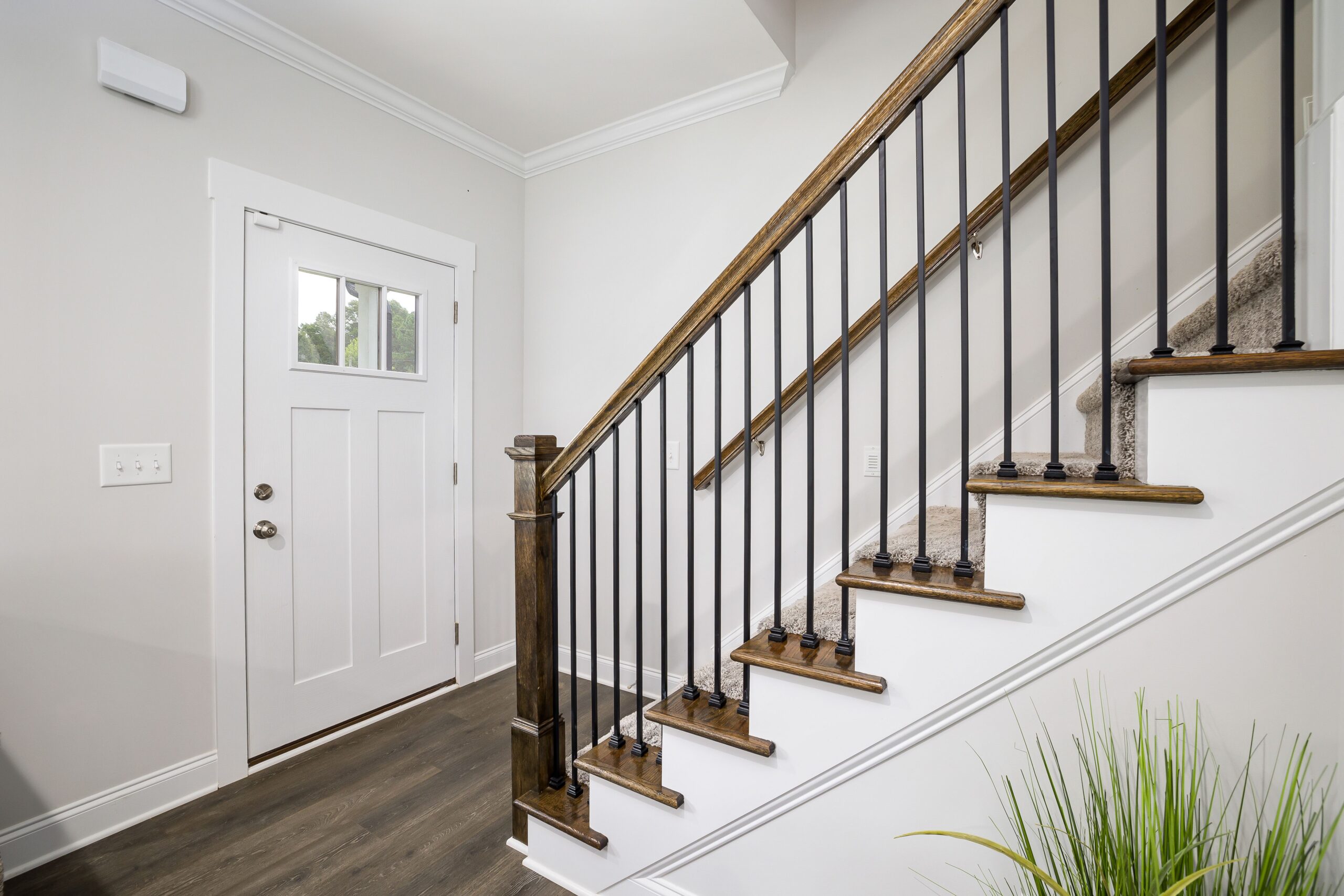
Access and stairs: Adding a second floor means putting stairs somewhere on the main level. Where the stairs go affects how people move through the house and eats up square footage downstairs. Finding the right spot means making both floors work well.
Roof design: New roof lines have to connect with what’s already there while keeping water flowing right and looking proportional. Fancy roof shapes cost more but usually look way better than just sticking a box on top.
Window placement: Second-story windows matter for both how rooms work inside, as well as how the house looks outside. Windows should line up with first-floor windows so things look balanced, while still bringing in light and views upstairs.
Twin Cities municipalities have specific rules about second-story additions that affect what’s possible.
Height restrictions: Zoning codes limit total structure height. Some neighborhoods cap heights at 30 feet, others allow 35 feet or more. Second-story additions must fit within these limits.
Setback rules: While second stories don’t increase the footprint, some communities have setback requirements for upper floors that differ from those for ground floors. Verify local regulations before designing.
Egress requirements: Bedrooms on second floors need proper egress windows for emergency escape. These windows have specific size and height requirements that affect design.
Fire safety: Building codes require proper fire separation between floors, smoke detectors, and, in some cases, fire-rated construction materials. These requirements add cost but protect safety.
Cities may have additional rules, such as the amount of change that can take place in terms of the amount of existing exterior walls that can be modified on a percentage basis, the amount of glass coverage (windows) on a per exterior wall basis may have to meet a percentage requirement, as well as other rules and regulations.
Building up creates more disruption than ground-level additions because work happens directly above living spaces.
Noise and vibration: Construction overhead means noise travels straight down into occupied rooms. Framing, sheathing, and finish work all create racket that’s hard to escape.
Dust everywhere: Despite contractors’ best efforts to contain dust, fine particles infiltrate downstairs. Plastic barriers help, but don’t eliminate the problem entirely.
Access disruptions: Contractors need clear paths through the house to reach work areas. This often means giving up use of certain rooms or passageways during work hours.
Weather exposure: When the roof comes off, there’s temporary exposure to the weather. Quality contractors use protective coverings, but families should prepare for potential moisture issues if the weather doesn’t cooperate.
Larger additions often require upgrades to the home’s HVAC (e.g. new furnace or larger AC condenser), plumbing (e.g. larger water heater), and electrical changes and capacities (e.g. sub panel add, utility company service upgrade, move home connection from overhead to underground).
Many families choose to move out during the most disruptive phases – typically the roof removal and framing period. Even staying somewhere else for a few weeks makes the experience much more bearable.
Second-story additions take longer than ground-level projects due to complexity and weather considerations.
Design and engineering: Plan on 2-3 months for design development and structural engineering. Second stories require more detailed plans than ground-level work.
Permits: Building permits for structural additions can take several weeks, depending on the municipality. Complex projects might require variance approvals that extend timelines.
Construction: The actual building typically runs 4-6 months from start to finish. Weather plays a bigger role since roof work can’t happen during rain or snow.
Minnesota weather affects scheduling significantly. Most contractors prefer to start second-story additions in late spring or early summer, allowing time to get the structure enclosed before fall weather arrives.
Master suite additions: One of the most popular uses for second-story space. Adding a master bedroom with an ensuite bathroom and walk-in closet provides parents with a private retreat away from the main living areas.
Bedroom additions: Growing families often need more bedrooms. Second stories can add 2-3 bedrooms plus a shared bathroom without touching the yard.
Home office space: Remote work has increased demand for dedicated office space. Second-story offices provide quiet, private work areas separate from household activity.
Bonus rooms: Flexible spaces that can adapt as families’ needs change – playrooms for young kids, teen hangouts, hobby rooms, or future guest quarters.
HBRE’s process works particularly well for complex projects like second-story additions where thorough planning prevents expensive problems.
Vision setting: Initial consultations determine feasibility. HBRE evaluates the existing structure, discusses goals, and provides rough cost estimates. This phase confirms whether building up makes sense before investing in detailed design work.
Design phase: Structural engineering happens during design development. Engineers analyze the existing house and specify the required reinforcement. Detailed plans include stairs, new systems, and integration with the existing architecture. All decisions about materials, finishes, and features happen before construction begins.
Construction: Building follows detailed plans created during design. HBRE handles permits, coordinates all trades, and manages the project from demo through final touches. Throughout construction, families receive regular updates on progress.
Second-story additions make sense when:
Second stories might not work if:
Second-story additions offer families a way to stay in neighborhoods they love while gaining the space they need. The projects are complex, but with proper planning and experienced contractors, they create valuable living space without sacrificing yards.
Contact HBRE to discuss whether a second-story addition makes sense for your home. The team gives you honest assessment of feasibility, realistic cost expectations, and guidance about what’s possible for your specific house and lot.
Loading…