
June 2
Primary bathroom remodels can eat up a serious budget. Between plumbing, tile work, fixtures, and finishes, costs add up fast. But not every upgrade delivers the same value – some features genuinely improve daily life, while others just look good in photos but don’t get used.
HBRE has remodeled many primary bathrooms around the Twin Cities since 2013. Some features homeowners love years later, others they wish they’d skipped. Here’s what actually pays off versus what sounds better than it works.
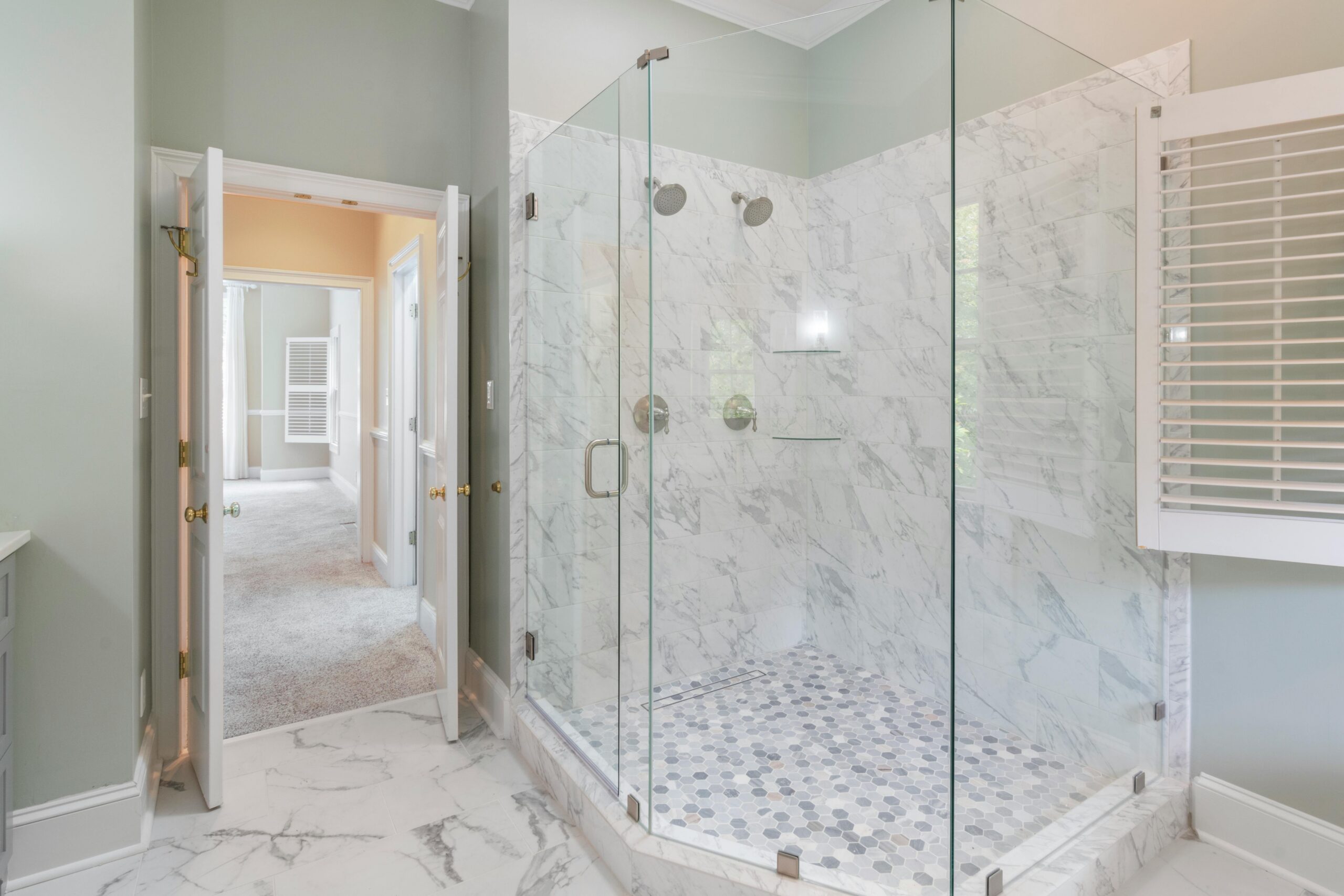
Cramped showers are miserable. Most older Twin Cities homes have tiny shower stalls that barely fit one person comfortably. Expanding to a real walk-in shower changes how the bathroom feels and functions.
What makes walk-in showers worth it:
Big enough to move around in without banging elbows. Aim for at least 4 feet by 4 feet – anything smaller still feels tight. If you’ve got the space, going bigger creates a genuinely luxurious feel.
Multiple spray options beat single showerheads. A rain head overhead, plus a handheld sprayer, gives flexibility for different people and purposes. The handheld makes cleaning the shower way easier, too.
Built-in benches aren’t just for looks. They’re useful for shaving legs, setting stuff down, or just sitting under hot water after a long day. Add grab bars while you’re at it – they help everyone, not just older folks.
Good storage matters more than people think. Shampoo, conditioner, body wash, razors, soap – all that stuff needs to go somewhere besides the floor. Built-in niches keep things organized and accessible.
What to skip:
Body sprays sound amazing, but most people don’t use them after the novelty wears off. They cost serious money to install and use tons of hot water. Save the budget for other upgrades.
Steam showers fall into the same category – cool idea, rarely used. They require airtight enclosures, steam generators, and ongoing maintenance. Most families would rather spend that money elsewhere.
Stepping on cold tile in January is terrible. Heated floors turn bathrooms from spaces you rush through into rooms you actually want to spend time in during Minnesota winters.
Electric radiant systems run under tile, creating heat that rises from the floor. They’re not cheap to install, but they’re much cheaper than hydronic systems and work great in bathrooms.
Program them to warm up before morning routines so floors are toasty when you step out of bed or the shower. The warmth makes the whole bathroom more comfortable, not just the floor.
Heated floors also help dry bathrooms faster after showers, reducing moisture and the risk of mold. In Minnesota’s humid summers, that matters.
Two people getting ready at the same time without fighting for sink space – that’s the whole point of double vanities. But they only work if designed properly.
Space them far enough apart so two people can actually use them simultaneously. Vanities crammed too close together defeat the purpose. Aim for at least 30 inches of counter space per sink, more if you’ve got room.
Give each person their own territory – separate drawers, separate cabinets, separate mirror space. When each person has dedicated storage, mornings run smoother.
Outlets between the sinks make sense for hair dryers and electric toothbrushes. Built-in outlets in drawers keep cords off counters while keeping devices charged.
What doesn’t work:
Single-sink vanities that are just really long. If two people regularly share a bathroom, spring for two actual sinks. One sink with tons of counter space sounds practical, but doesn’t solve the bottleneck.
Vessel sinks that sit on top of counters look cool, but splash everywhere and make cleaning annoying. Undermount sinks installed below the counter work better for daily use.
Bathrooms accumulate tons of stuff – toiletries, towels, cleaning supplies, hair tools, makeup, and medicine. Without proper storage, it all ends up cluttering counters.
Tall cabinets with pull-out shelves beat deep cabinets where things disappear in the back. Pull-out shelves bring everything to you, so you don’t have to dig.
Medicine cabinets recessed into walls provide storage without taking up space. Modern versions with built-in lighting and charging stations add functionality beyond just storing stuff.
Drawer dividers and organizers keep small items from becoming jumbled messes. Hair ties, bobby pins, makeup, razors – all that little stuff needs compartments, or it ends up everywhere.
Linen closets in or near the bathroom solve the towel storage problem. Storing towels in the bathroom where you use them makes way more sense than hauling them from a hallway closet.
One overhead light doesn’t cut it in bathrooms where people apply makeup, shave, or do other tasks that require good visibility.
Vanity lighting at face level eliminates the shadows cast by overhead lighting. Sconces on either side of mirrors work better than a single light bar above. This setup delivers even lighting for grooming tasks.
Overhead lighting still matters for general illumination. Recessed lights or a centered fixture provide ambient light when you’re not at the vanity.
Shower lighting makes a huge difference. Nobody wants to shower in the dark or rely on light from outside the shower. Dedicated shower lighting (properly rated for wet locations) makes showers safer and more comfortable.
Dimmers on everything let you adjust lighting for different times of day. Bright light for morning routines, softer light for evening baths or nighttime bathroom trips.
Minnesota’s humidity swings wreck bathrooms without proper ventilation. Moisture from showers leads to mold, peeling paint, and gross bathroom conditions.
Get a ventilation fan powerful enough for your bathroom size. Undersized fans don’t move enough air to actually help. Figure roughly 1 CFM per square foot of bathroom space.
Humidity-sensing fans that turn on automatically when moisture levels rise work better than relying on people to remember to flip switches. They run until the humidity drops back to normal levels.
Quiet fans get used more than loud ones. Nobody wants to run a jet engine while showering. Modern fans operate quietly enough that you barely notice them running.
Vent fans to the outside, not into attics. Dumping moisture into attics creates mold problems you can’t see until damage is serious. Proper exterior venting gets rid of moisture from the house completely.
Bathrooms take abuse – water, humidity, temperature swings, and daily use. Cheap materials fail fast and need replacing.
Porcelain or ceramic tile holds up better than pretty much anything else for wet areas. It handles water, doesn’t stain, cleans easily, and lasts forever when installed right.
Quartz countertops resist water and don’t need sealing like natural stone. They handle bathroom use without developing stains or etching from products.
Quality faucets and fixtures cost more upfront but last way longer than cheap versions. Plus, they work better – solid feel when operating, uniform water temperature, fewer drips and leaks.
Proper waterproofing behind tile isn’t visible, but it prevents expensive water damage. This is not the place to cut corners. Do waterproofing right, or plan on tearing everything out in a few years to fix rot.
Some bathroom features sound great, but may be regrettable over time as being a feature that doesn’t provide enough value to justify its initial cost.
Soaking tubs that most people don’t use. Be honest – how often will you actually take baths? If the answer is rarely, spend that money and space on a better shower.
Fancy towel warmers are nice but not necessary. A good heated floor warms towels hanging nearby for way less money.
Complicated tile patterns that cost a fortune in labor. Simple tile layouts look clean and timeless while saving thousands on installation.
Tiny mosaic tiles everywhere. They look amazing in photos, but grout lines multiply cleaning time. Save mosaics for small accent areas.
HBRE’s process helps families figure out which features make sense for their specific bathroom and budget.
During vision setting, the team discusses how you actually use your bathroom – who uses it, when, and what frustrates you about the existing setup. These details determine which upgrades deliver the most value.
The design phase nails down every detail – exact dimensions, materials, fixtures, storage solutions. You’ll make all the decisions about which features to include before construction starts.
Quality construction protects your investment. Adequate waterproofing, correct tile installation, and skilled plumbing work prevent problems that create expensive repairs later.
Primary bathroom remodels are major investments. Focusing the budget on features that improve daily life – great showers, heated floors, proper storage, good lighting – creates bathrooms that families enjoy for years.
Contact HBRE to discuss your primary bathroom project. The team helps you figure out which upgrades make sense for how you live and what fits your budget, creating bathrooms that work as well as they look.
Loading…