
June 3
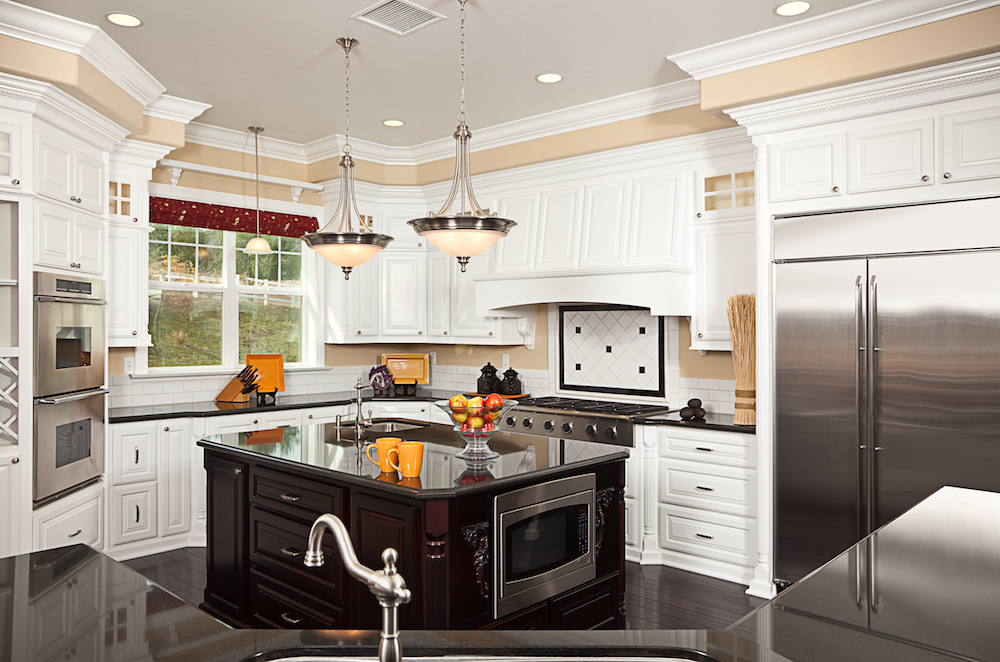
Nobody warns you how messy remodeling gets until you’re living through it. Kitchens turn into construction zones for months. Bathrooms disappear. Dust somehow ends up in rooms nowhere near the actual work. Getting your house ready before demo day makes everything way less chaotic.
HBRE has done hundreds of remodels around the Twin Cities since 2013. Homeowners who prep well handle construction way better than those caught off guard. Spending a weekend getting ready beats weeks of avoidable headaches.
Contractors can’t work around your stuff. Before demo starts, clear out everything in the remodel area – every piece of furniture, every decoration, every random thing on shelves.
For kitchens:
For bathrooms:
Leaving things around slows contractors down, and your items could possibly get damaged. Box it all up and move it somewhere safe.
If you’re staying in the house during construction, you need backup plans for basic living.
Kitchen workarounds:
Set up a mini kitchen somewhere else – basement, garage, spare room, wherever. You’ll need a microwave, coffee maker, maybe a hot plate, a small fridge if you can swing it, and some surface for prepping food.
Buy paper plates and plastic forks—stock easy meals. Plan to order takeout way more than normal. Just accept that cooking will be more challenging for a while.
Keep your coffee setup and snacks somewhere easy to reach. Everything else can go in boxes.
Bathroom backup:
Got more than one bathroom? Save one just for the family. Only have one? Things get interesting – maybe shower at the gym, use bathrooms at work, or beg contractors to get the toilet working ASAP.
Set up a spot for brushing teeth and getting ready if your main bathroom’s torn apart. Keep your stuff in something portable that you can move around.
Construction dust gets everywhere, no matter what. You can’t stop it completely, but you can slow it down.
Contractors hang plastic between the work zone and your living space. Help by shutting doors to rooms you’re not using, covering vents near construction, and stuffing towels under door gaps.
Be sure that the floors are protected between the construction area and outside doors. Contractors protect their work zone, and good ones protect the pathways in between.
Move breakables and anything you care about away from the walls touching the construction side.
Plumbing and electrical work means losing water or electricity, sometimes for days.
When plumbing work is happening, fill up some containers with drinking water. Have paper plates ready for when you can’t use the sink. Figure out shower timing around when water’s actually on – contractors can tell you the schedule.
For electrical work, charge everything before they kill the power. If power’s out during a mid day meal, plan around it.
Construction sites are dangerous for pets and little kids.
Dogs and cats freak out when there are strangers around and all the noise. Maybe board them during the worst of it. If not, keep them in rooms far from construction with doors shut.
Tell contractors about pets so they watch for animals trying to bolt or sneak into work areas.
Little kids don’t get that construction is dangerous – exposed wires, holes in floors, power tools everywhere. It is safest to either confine them to other parts of the home under your direct supervision or send them somewhere else during work hours.
Even older kids need rules about staying out of construction zones. Sites attract curious kids, but the danger doesn’t go away when workers leave.
Your remodel affects neighbors, too – noise, trucks on the street, general chaos. Warn them before it starts.
Let them know when work begins, roughly how long it’ll last, and what’s coming – loud noise, contractor trucks taking parking spots, maybe blocked street access.
If neighbors work from home or have babies who nap, knowing when the loud stuff happens helps them plan around it. Most contractors work normal daytime hours, but confirm that.
Just acknowledge upfront that it’s going to be annoying. Most neighbors get it if they know what’s happening and when it’ll end.
Every remodel hits surprises once the walls open up. Old wiring, plumbing problems, structural weirdness – something always shows up.
Stash extra money for unexpected stuff. Set aside a chunk for things like surprise electrical updates or water damage nobody knew about. Having that money prevents everything from coming to a halt when problems pop up.
Build extra time into your estimate of when things will finish. Materials get delayed, permits take forever, and weather changes schedules. Expecting delays makes them less stressful when they happen.
Stay reachable during construction. Contractors will have questions. Being available by phone or text keeps things moving, rather than waiting days for answers to small details.
Photograph everything before work starts – the remodel area plus rooms around it. If arguments come up later about what was already damaged or what got wrecked during construction, you’ve got proof.
Shoot walls, floors, ceilings, and fixtures from different angles. Date the photos if you can. Save them somewhere safe – cloud storage or a device not sitting in the house during construction.
HBRE’s process includes helping homeowners get ready before construction. Prior to production work commencing, the team talks through what needs to be done before demo day.
Project managers come through before work starts, point out anything that might cause problems, and answer prep questions. You’ll know exactly what to clear out, what to protect, and what to organize before crews show up.
During construction, HBRE keeps you posted about upcoming work needing special prep – when water shuts off, when certain rooms get blocked off, when really dusty or loud work happens.
Prepping right makes living through a remodel way more bearable. Homeowners who take time to clear spaces, set up backup plans, protect valuables, and plan for chaos handle construction better than those caught unprepared.
Talk to HBRE about your project and get real guidance on prepping your house for construction. The team provides specific advice tailored to your project and helps you plan each phase.
Loading…