
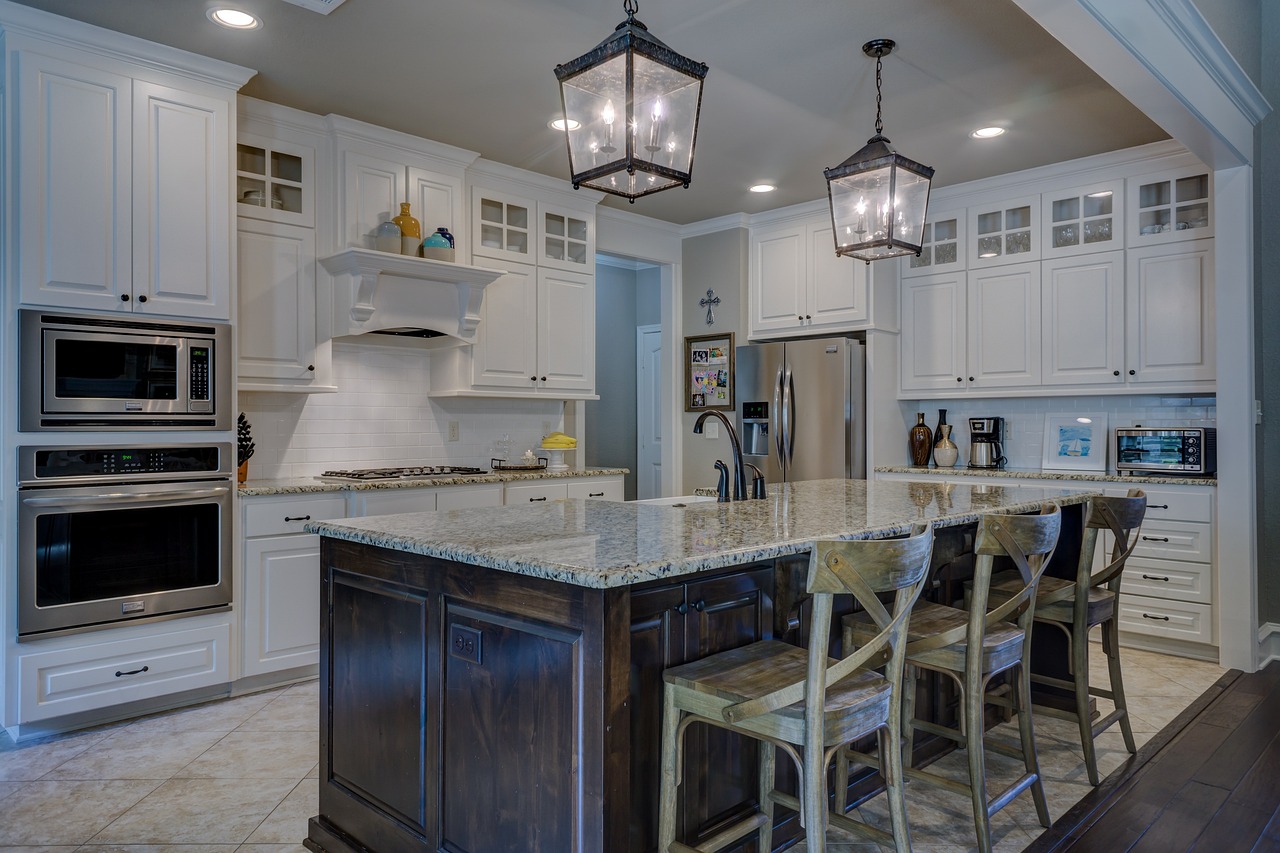
Your kitchen countertops might be gorgeous, your cabinet color could be trending on Pinterest, and that backsplash may look incredible in photos. But if you can’t open the dishwasher without blocking the refrigerator, or if meal prep means walking laps around your island, something went wrong during the planning phase.
Most people approach kitchen remodeling backward. They start with finishes and aesthetics instead of thinking about how they’ll actually use the space every single day. The truth is, a beautiful kitchen that doesn’t function well becomes frustrating fast. You’ll notice that awkward reach for dishes above the stove every single time, and you’ll curse that too-narrow walkway between the counter and island multiple times per day.
Good kitchen design starts with honest questions about your real habits, not just picking materials that look nice together.
The kitchen work triangle has been around forever, and plenty of people dismiss it as outdated. But the core concept still holds up: your sink, stove, and refrigerator should form a relatively compact triangle because those three spots are where you spend most of your cooking time.
The idea behind the triangle is simple. You grab ingredients from the fridge, prep them at the sink, and cook them at the stove. If those three points are too far apart, you’re walking unnecessary steps for every meal. If they’re too close together, you feel cramped and can’t move comfortably.
Modern kitchens don’t always stick to a perfect triangle anymore, especially larger spaces with islands or multiple work zones. But the principle remains useful: minimize the distance between your main work areas.
Here’s something most people don’t think about until after construction: kitchens should reflect how you actually cook, not how cooking shows look on TV.
Do you cook from scratch most nights, or do you mostly reheat? That answer should influence how much prep space you need and where it goes. Someone who bakes regularly needs an extensive counter area near outlets for mixers and other appliances. Someone who mainly assembles quick meals probably cares more about easy access to the microwave and having space to plate food.
Multiple cooks in the kitchen at the same time? That changes everything. You need enough room for two people to work without constantly bumping into each other or competing for the same counter space.
Be honest about your habits during the design phase. If you rarely use half your pots and pans, you probably don’t need a six-burner range.
Most people fixate on total counter space, but placement matters more than square footage. You could have acres of countertop and still feel cramped if it’s in the wrong spots.
Landing zones are critical. You need counter space immediately next to the refrigerator so you have somewhere to set down groceries or pull out ingredients. The same goes for counter space beside the stove. When you pull something hot off the burner, you need a place right there to set it down.
Prep space near the sink is where most meal prep happens because that’s where you wash and chop vegetables, rinse items, and fill pots with water. A stretch of uninterrupted counter beside the sink makes cooking far easier than scattering small counter segments throughout the room.
That beautiful giant island everyone wants? It looks impressive, but ask yourself what you’ll actually use it for. If it’s just taking up space and making your work triangle bigger, a smaller island positioned more strategically might serve you better.
Putting dishes in the cabinet farthest from the dishwasher seems ridiculous when you say it out loud, but plenty of kitchens are laid out exactly that way.
Storage should follow the “first use” principle. Items go where you’ll use them first, not just where there’s available cabinet space. Dishes and glasses belong near the dishwasher. Pots and pans go near the stove. Spices and cooking oils need to be within arm’s reach when you’re standing at the stove.
This sounds obvious, but it requires thinking through your actual workflow instead of just filling cabinets wherever they happen to be.
Some kitchens become hallways by default because they connect multiple rooms. Traffic routes should go around work zones rather than through them whenever possible.
Islands complicate traffic flow because they take up so much space. You need at least 36 inches of clearance around all sides of an island for one person to pass comfortably, and 42-48 inches works better if multiple people will be moving around simultaneously.
Think about appliance placement carefully. The refrigerator door that swings out and blocks the main walkway, the dishwasher that can’t open when someone’s standing at the sink, the oven positioned so carrying hot dishes means navigating around the island; these aren’t minor inconveniences. They’re persistent frustrations you’ll encounter multiple times every single day for years.
The path from your oven to your serving area shouldn’t require navigating obstacles or sharp turns. When something’s fresh out of a 400-degree oven, you want the shortest, straightest route possible.
The best kitchen layouts start with understanding how you live, not with scrolling through design inspiration. Beautiful spaces only stay beautiful if they work well, because a kitchen that frustrates you daily won’t feel beautiful for long, regardless of how much you spent on finishes.
This is exactly why HBRE’s three-phase process emphasizes understanding your needs before creating drawings. Those early conversations about how you cook, who uses the kitchen, and what drives you crazy about your current space shape every decision that follows. The layout gets designed around your real life, and then the aesthetic choices come in to make that functional space look exactly how you want it.
When function and form work together instead of competing, you end up with a kitchen you’ll genuinely love using every single day. Not just a kitchen that photographs well, but one that makes your actual daily routine easier and more enjoyable.
Ready to talk about a kitchen layout designed around how you really live? Contact HBRE to schedule your complimentary consultation with one of our owners or project managers.
Loading…