
March 9
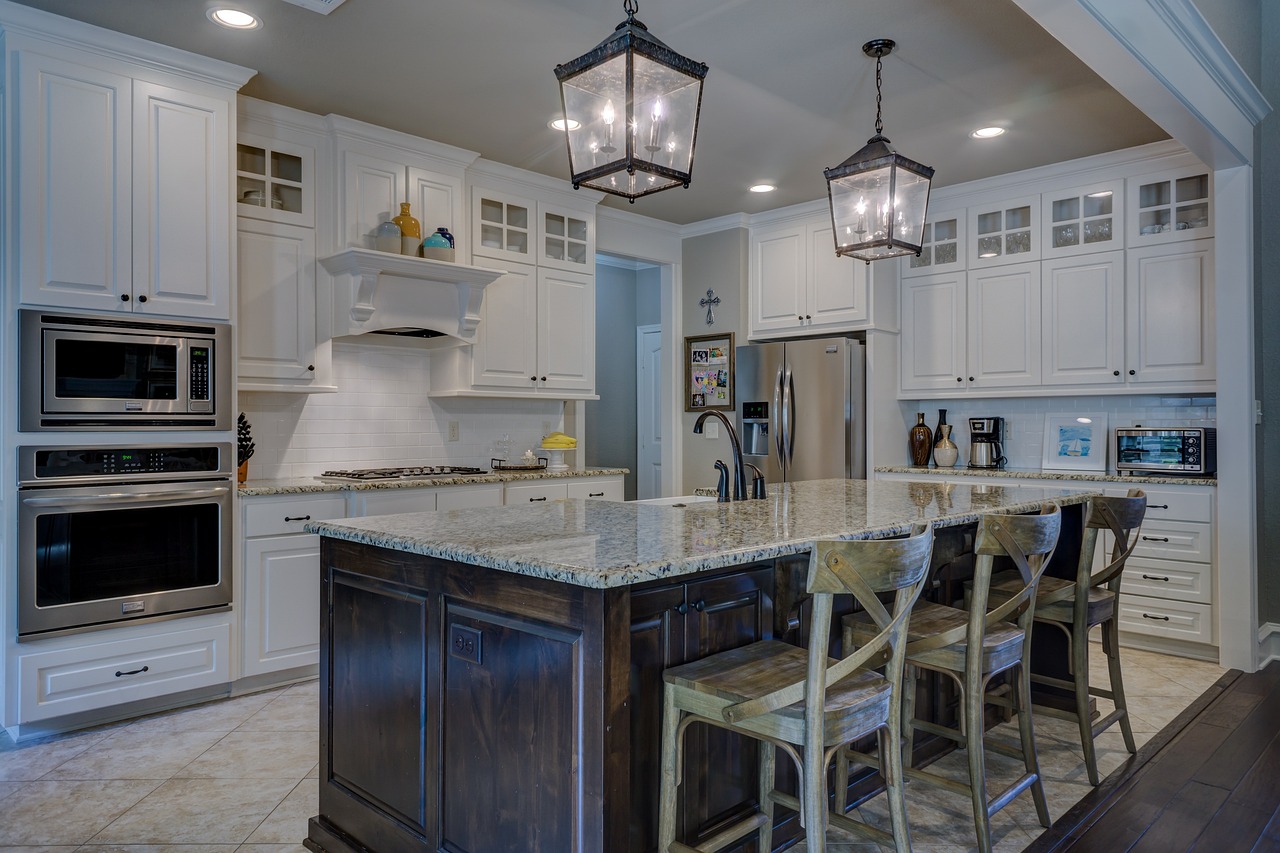
One of the first questions homeowners ask about kitchen remodeling is how long the whole thing will take. The answer isn’t simple because kitchen projects vary wildly; a minor cosmetic update might wrap up in a few weeks, while a major overhaul with layout changes can stretch 4-6 months from initial planning to final cleanup.
HBRE has managed hundreds of Twin Cities kitchen projects since 2013, and timeline questions come up every single time. Homeowners need to know when they’ll be back to cooking normal meals, how long they’ll be eating takeout, and whether the project will be done before the holidays.
Phase 1: Vision Setting and Initial Planning (2-4 weeks)
This early stage happens before any actual design work or construction begins. HBRE meets with homeowners at their house to tour the existing kitchen, discuss goals and vision, and evaluate what’s actually possible given the home’s structure and budget.
During this phase:
Most homeowners spend 2-3 weeks in this phase, though some make decisions faster if they’ve already done extensive research and have a realistic budget.
Phase 2: Design Development (6-12 weeks)
The design phase takes the most time, but prevents expensive mistakes during construction. This is when all the critical decisions happen – layout, materials, finishes, appliances, fixtures, and every other detail that affects both appearance and function.
What happens during design:
The design phase typically runs 2-3 months. Rushing through decisions here almost always causes problems later when homeowners realize they don’t like something or when construction reveals issues that weren’t planned for. Predetermining all selection decisions prior to construction starting works to minimize downtime and is most important for kitchen remodels given the obvious issues of living in a home that does not have an operating kitchen.
Phase 3: Construction (6-16 weeks)
Actual building time depends heavily on project scope and complexity. Minor updates might finish in 6-8 weeks. Major remodels with significant structural work often take 12-16 weeks or longer.
Construction timeline factors:
All kitchen remodels differ in scope and requirements. While no two projects are the same, here is a general timeline of an average kitchen remodel work scope and its respective time to complete. Most of these tasks described must be worked one at a time and in sequence, though some work can be done in parallel.
Prep, Demo, Framing and Rough-In Work (~3-4 weeks)
Before tearing anything out, crews protect adjacent areas with plastic barriers and floor coverings. Then demolition begins – removing old cabinets, countertops, appliances, flooring, and sometimes walls.
Demo reveals what’s hiding behind walls and under floors. Sometimes crews discover old wiring that needs updating, plumbing issues requiring attention, or structural surprises that affect the timeline. Having contingency time and budget for these discoveries prevents projects from stalling.
Framing work follows the demo. If the layout has changed or the walls have moved, framing occurs now. New walls go up, openings get framed and beams are installed for pass-throughs or enlarged openings.
Next, rough-in work for all the systems that run behind walls and under floors. Electricians install new wiring and outlets. Plumbers relocate or add water lines, drain pipes, and gas connections. HVAC contractors modify ductwork if needed.
At this point a number of inspections are required to proceed: electrical rough-in, plumbing rough-in, and, if walls were removed or modified, structural framing inspections. Projects can’t move forward until inspections pass.
Insulation and Drywall (~1-3 weeks)
Insulation fills exterior walls if they were opened during the project. Then the drywall goes up, gets taped, mudded, and sanded smooth. This process takes longer than most homeowners expect – multiple coats of joint compound with drying time between each coat. Additionally, insulation, if added, requires an inspection prior to drywall work commencing.
Painting (~1-2 weeks)
Once drywall is smooth and primed, painting can begin. Ceilings, walls, and any new trim are all painted before the cabinets arrive. This timing prevents damage to expensive cabinetry from paint drips or sanding dust.
Cabinetry Install, Countertop Measurement, and Installation (~3-5 weeks)
Cabinet installation marks a major milestone – the kitchen starts looking like an actual kitchen again. Cabinets go in first followed by decorative trim and in-cabinet accessories.
Countertop installation happens after cabinets are set and leveled. Stone counters (granite, quartz, marble) require templating. The countertop fabricators go on site and measure the actual installed cabinet layout, then precision cuts the materials in their shop to fit precisely. This templating-to-installation process typically takes 2-3 weeks.
Flooring and Tile Installation (~2-3 weeks)
With cabinets and counters in place, the flooring and tile (backsplash), if in scope, gets installed. Tile can take longer than the flooring (e.g. vinyl plank or hardwood) due to setting and grouting lead-time; however, the application of stain and/or polyurethane coat(s) on real hardwood will also require additional time to complete.
Appliance and Finish Work (~2-3 weeks)
Appliances get delivered and installed. Electricians return to finish work – installing outlets, switches, and light fixtures. Plumbers install sinks and faucets and hook up the dishwasher. Final inspections are performed for the building permit and electrical, plumbing, and mechanical, as applicable. Final touches include installing miscellaneous hardware or shelving. A finish painting cost is also applied when appropriate. Punch list items identified in a walkthrough with the Project Manager and those items are completed as soon as possible. Replacement or supplemental material lead-times, when encountered, may introduce a delay.
Most homeowners stay in their homes during kitchen remodels, which means dealing with limited or no kitchen access for a number of weeks or months. The larger the number of people living in the home, the more challenging this can be. For a large portion of the remodel project the kitchen is completely unusable. Homeowners become accustomed to using their microwave, air fryers, toaster ovens and a hot plate strategically located wherever possible and safe. They get comfortable using paper plates and quickly learn which restaurants have the best takeout food. It’s best to keep the end game in mind when you start missing your former kitchen’s features. Try to remember that your new kitchen will be ready soon and better than ever.
Make Decisions Early
Every delayed decision pushes the timeline. Waiting days or weeks to make relatively simple changes extends the overall design and production..
Order Long-Lead Items First
As soon as designs are finalized, order cabinets and any special appliances. These items have the longest lead times and often determine when construction can actually finish.
Be Available for Questions
Contractors will have questions during construction. Being reachable by phone or text prevents delays while waiting for answers about minor details or unexpected issues.
Plan for the Unexpected
Build buffer time into your expected completion date. If you absolutely need the kitchen done by Thanksgiving, don’t plan for a completion date the week before. Aim for halloween to allow for inevitable delays.
Understanding realistic timelines helps homeowners plan for kitchen remodels: scheduling vacations, planning holidays, and managing expectations about when normal life will resume.
HBRE’s three-phase process provides clear timeline expectations from the start. The vision-setting phase confirms feasibility and provides a rough timeline. The design phase finalizes all decisions that affect construction duration. The construction phase proceeds with detailed schedules that account for material lead times, permit processing, and coordination requirements.
Contact HBRE to discuss timeline expectations for your specific kitchen project. The team provides realistic schedules based on project scope, current material availability, and permit office workloads.
Loading…