
December 7
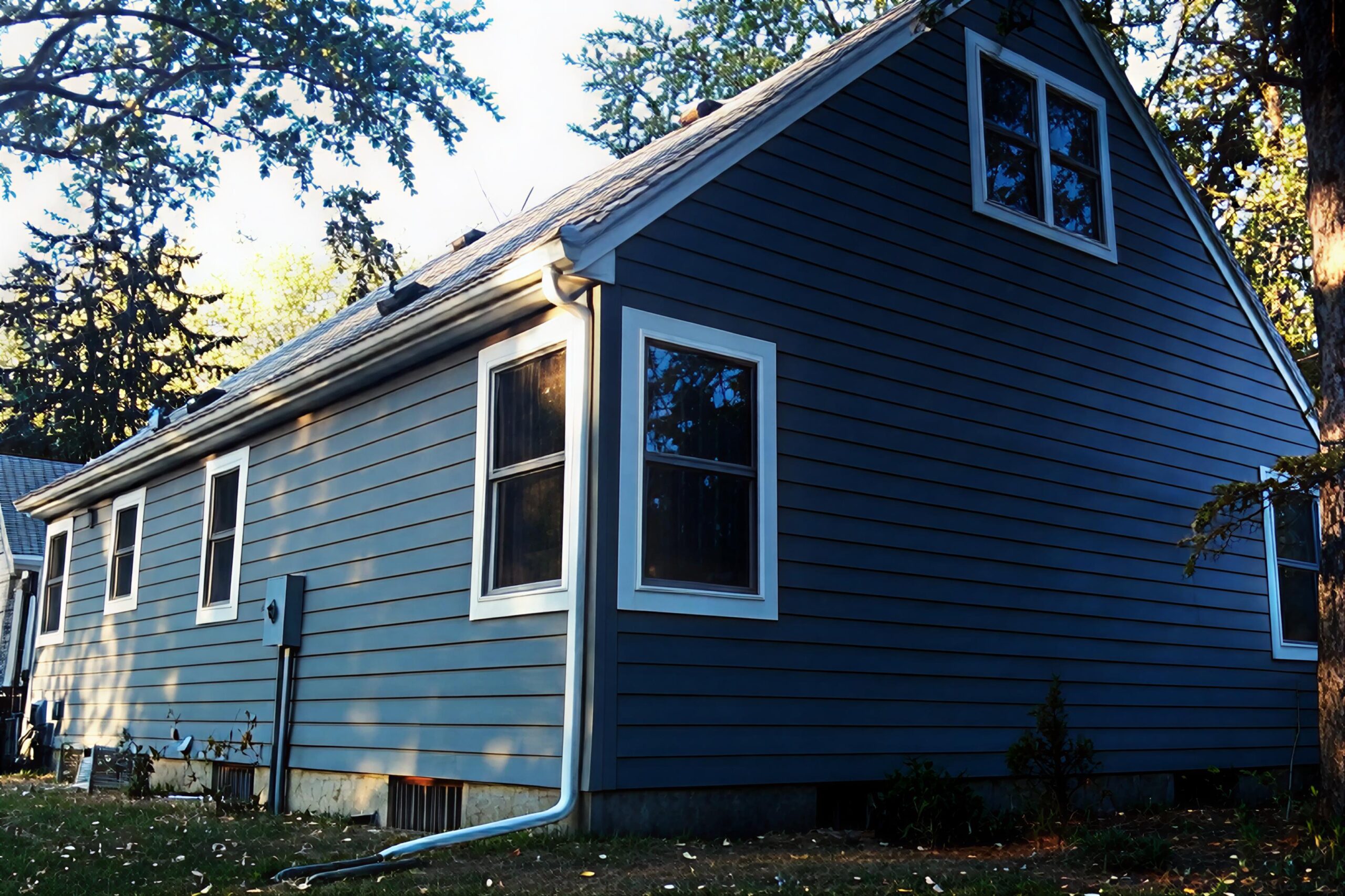
Minnesota weather doesn’t mess around. When it’s negative fifteen degrees in January or ninety-five with humidity in July, your windows and doors are either working hard to keep your home comfortable or they’re letting all your heating and cooling dollars escape.
If your current windows fog up between the panes, if you feel cold air sneaking in around your doors during winter, or if certain rooms in your house are always too hot or too cold no matter what you do with the thermostat, the problem probably isn’t your furnace or air conditioner. The problem is that your home is losing conditioned air through outdated or poorly installed windows and doors.
Replacing windows and doors costs money upfront, but this isn’t just about aesthetics or curb appeal. Energy-efficient windows and doors designed for Minnesota’s climate can genuinely reduce your utility bills, make your home more comfortable year-round, and increase your property value.
Most window and door efficiency ratings are calculated for moderate climates. Minnesota isn’t mild; we have temperature swings of over 100 degrees between winter lows and summer highs. That extreme range puts serious stress on windows and doors that weren’t designed for it.
Windows and doors rated for northern climates address these issues with better insulation, stronger seals, and materials that handle temperature extremes without failing.
U-factor measures how well a window or door insulates. Lower numbers mean better insulation. For Minnesota, you want windows with a U-factor of 0.30 or lower. Many older windows have U-factors above 0.50, meaning they’re losing heat at nearly twice the rate of modern, efficient windows.
Low-E coatings are microscopically thin metallic layers applied to glass that reflect heat. In winter, Low-E coatings reflect indoor heat back into your home instead of letting it escape through the glass. Different Low-E coatings are optimized for cold climates versus warm climates, so specifying the right one for Minnesota matters.
Gas fills between glass panes provide better insulation than regular air. Argon gas is standard in quality windows. Krypton gas insulates even better but costs more. In Minnesota winters, upgrading from air-filled to argon-filled windows makes a noticeable difference in comfort and energy bills.
Frame material affects both energy efficiency and durability. Vinyl frames insulate well and handle Minnesota weather without rotting or requiring paint. Fiberglass frames are stronger and even more energy-efficient, but cost more. Wood frames look beautiful but require maintenance and don’t insulate as well as modern alternatives unless they’re clad with vinyl or aluminum on the exterior.
Door construction works similarly. A solid wood door looks nice, but doesn’t insulate particularly well. Modern insulated steel or fiberglass doors with polyurethane foam cores provide far better energy efficiency. Quality weatherstripping around door edges prevents air leaks that waste energy.
Even the best windows and doors fail if they’re installed incorrectly. Installation quality matters as much as product quality, especially in Minnesota, where temperature extremes will find and exploit any installation mistakes.
Proper installation means the window or door fits squarely in the opening with consistent gaps all around. Those gaps get filled with spray foam insulation, not just fiberglass batts stuffed in loosely. The unit gets flashed correctly to prevent water infiltration. Interior and exterior trim gets installed to seal against air leaks and protect the installation from weather.
Poor installation shows up fast. Condensation forms around edges where cold air leaks in. Doors don’t close smoothly because the frame isn’t square. Air whistles through gaps on windy days.
During HBRE’s design phase, careful measurements ensure the right window and door sizes get ordered. During the construction phase, experienced installers make sure units go in correctly the first time.
Replacing every window in your house at once makes sense for some homeowners, but not for all. The decision depends on your budget, which windows are causing the biggest problems, and whether you’re doing other remodeling work.
If you’re already doing a kitchen remodel or bathroom renovation that involves exterior walls, replacing windows in those rooms during construction makes sense. The walls are already open, so installation is easier.
If your budget is tight, prioritize the windows causing the most trouble. North-facing windows get the coldest and cause the most heat loss. Large picture windows lose more energy than small windows. Windows in rooms where you spend the most time affect comfort more than those in rarely used spaces.
Window and door replacement happens during the construction phase of a remodel, typically after framing and electrical work but before drywall and trim.
During the in-home consultation that starts HBRE’s process, questions about your current windows and doors help identify whether replacement should be part of the project scope. Cold rooms, condensation problems, difficulty opening or closing windows, and drafts all signal that replacement might make sense.
The design phase is when you pick specific windows and doors. You’ll work with your designer on styles that fit your home, which glass works best for different spots, and frame materials that give you what you need without blowing your budget. You’ll see actual samples, not just photos.
Energy-efficient windows and doors typically pay for themselves over time through lower utility bills. Minnesota homeowners typically see heating costs drop 10-25% after swapping old windows for modern, efficient ones.
Beyond energy savings, new windows and doors increase home value and appeal. Potential buyers notice cold rooms, drafty windows, and condensation problems. Updated windows and doors are selling points that make homes more competitive in the market.
Comfort improvements matter too, even if they’re harder to quantify financially. Rooms that used to be uncomfortably cold in winter or hot in summer become usable year-round.
Energy-efficient windows and doors aren’t optional luxuries in Minnesota’s climate. They’re practical investments that improve comfort, dramatically reduce energy waste, and protect your home from weather-related damage.
The difference between adequate windows and great ones comes down to choosing products rated for northern climates and ensuring proper installation. During remodeling projects that involve exterior walls, including window replacement in the scope prevents having to open up those walls again later.
Ready to discuss whether window and door replacement should be part of your remodel? Contact HBRE to schedule your complimentary consultation with one of our owners or project managers.
Loading…