
February 23
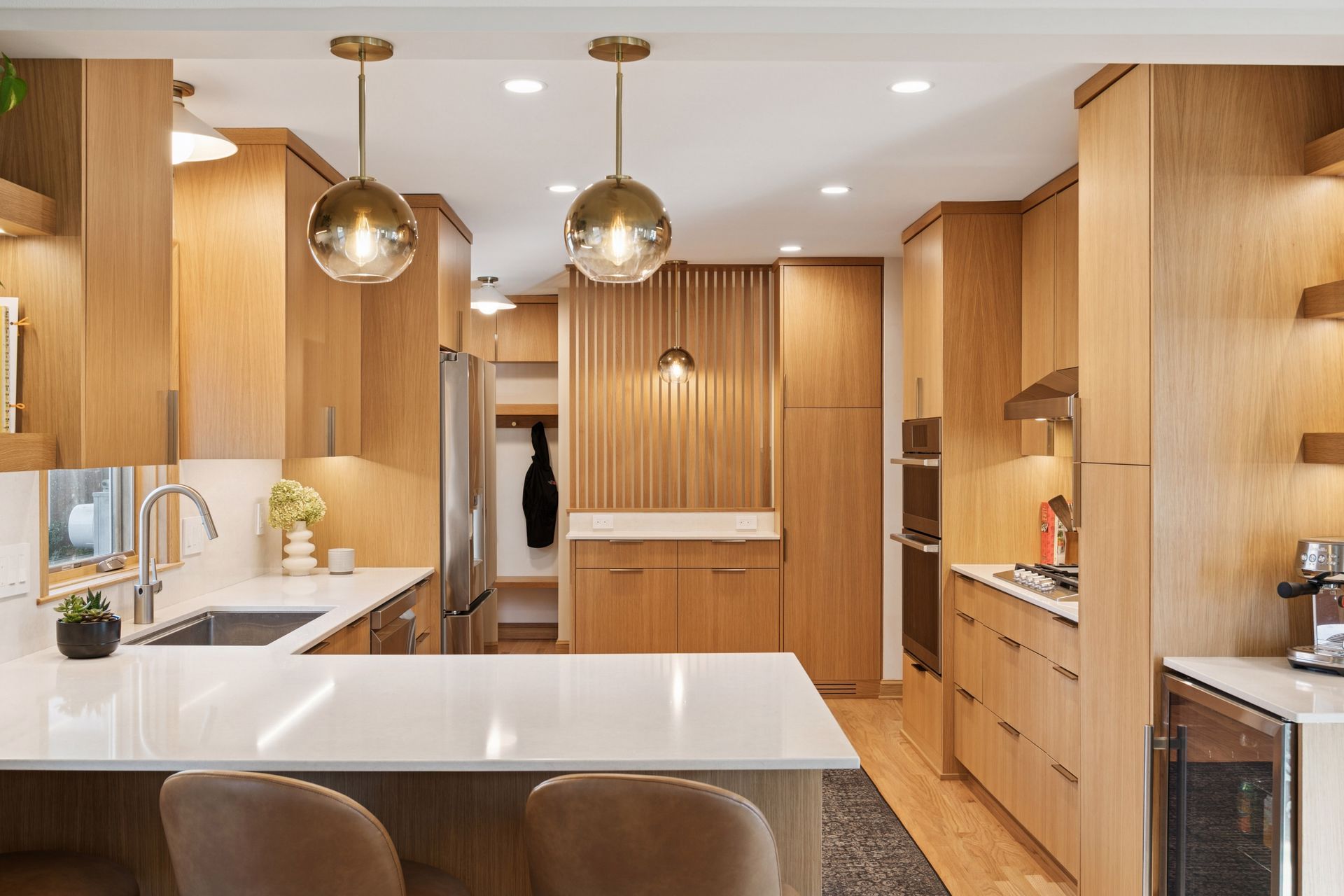
Kitchen remodeling projects for Twin Cities families are very different than those of other places. The question isn’t whether you’ll spend a chunk on your project – it’s what you’ll actually get for different levels of investment. Some projects involve light updates, others mean gutting everything and starting over, and each level gives you different possibilities for fixing what doesn’t work about your current kitchen.
Minnesota throws some curveballs at kitchen projects. The climate swings from frozen to humid. Different neighborhoods around Minneapolis and St. Paul have totally different expectations for kitchens. HBRE has done hundreds of kitchen projects around our area since 2013, so the team knows what works at different budget levels.
Most kitchen projects fall into one of three camps, each getting you different results.
1.) Light Updates
This level freshens up how your kitchen looks without tearing into walls or moving major systems around.
What happens at this level:
Light updates, such as those listed above, make sense when the layout works fine, but everything looks tired. You get a kitchen that feels completely different without the mess and expense of a demo. Painting or refacing cabinets costs way less than replacing them, but still changes the whole vibe.
Swapping old laminate counters for quartz or granite does more to upgrade a kitchen than almost anything else. Add new backsplash tile and better lights, and suddenly the kitchen feels modern instead of stuck in 2005.
2.) Full Remodel
This level means new cabinets, all new appliances, good materials everywhere, and maybe some walls come down or get moved as long as you’re not relocating plumbing or gas lines.
What this gets you:
At this point, you’re turning an outdated kitchen into something modern that your family actually wants to use. Budget covers materials that handle Minnesota weather and gives you room to fix layout problems that bug you daily.
Islands become doable here – extra workspace plus spots for quick meals. Knocking down walls between the kitchen and family room creates that open layout everyone wants. Upgrading electrical means you can actually run all your appliances without tripping breakers.
3.) High-End Transformation
A high-end level of renovation creates exceptional kitchens with custom everything, fancy materials, pro-grade appliances, and often big structural moves to make the layout perfect.
What’s possible here:
These types of projects build kitchens that become the actual center of the house for families who cook constantly and have people over a lot. Budget supports custom solutions for weird problems, materials that make statements, and building exactly what you’re picturing.
Custom cabinets here mean pull-out spice racks that fit your exact collection, drawer organizers built for your specific tools, appliance garages, and charging stations built in. Pro appliances work like restaurant equipment. Marble or fancy stone creates focal points that wow people.
A few major factors classify projects into different budget ranges.
1.) How Big and What Changes
Bigger kitchens need more stuff – more cabinets, more countertop, more floor. A compact kitchen costs less to redo than a huge one, even using identical materials.
Layout moves cost more. Opening a wall to the next room means structural work, proper supports, extra framing, and drywall. Moving plumbing or gas lines adds both materials and labor while requiring more inspections.
2.) What You Pick
Cabinets drive a lot of cost differences. Stock cabinets from big manufacturers give you quality at reasonable prices. Semi-custom adds more size options and finishes. Custom cabinets do anything you want, but cost more.
Counters range all over. Laminate works for tight budgets. Quartz and granite perform great at mid-range. Exotic stone, big porcelain slabs, or marble cost more but look incredible.
3.) Appliances
You can spend a little on decent standard appliances or a ton on pro-grade equipment. Most families find great options in the middle where you get reliability, good features, and nice looks.
Pro appliances appeal to serious cooks who want restaurant performance. They need beefed-up electrical, special venting, and sometimes structural changes for their size and weight.
4.) Minnesota “Stuff”
Minnesota’s crazy climate affects what materials work and what they cost. Houses here deal with huge temperature swings and humidity changes that demand tough materials installed correctly.
Kitchen windows here need good glass that handles temperature extremes. Quality installation prevents ice dams and moisture problems. Spend right on windows, and you save on energy bills while staying comfortable.
Ventilation matters more in Minnesota since houses are sealed tight for efficiency. Good range hoods vented outside keep moisture and cooking smells from wrecking your house. Proper ventilation protects air quality and prevents moisture damage.
Some upgrades make kitchens work way better beyond basic remodeling.
1.) Storage That Works
Smart storage changes how families use kitchens. Pull-out pantry systems, corner organizers, and specialized drawer inserts keep everything accessible instead of buried. No more digging through cluttered cabinets for that one pan.
Walk-in pantries, where you’ve got space, help tremendously with organization. Good design with adjustable shelves and decent lighting keeps food visible and accessible while clearing junk off counters.
2.) Lighting Done Right
Good lighting makes kitchens functional and attractive. Mix recessed lights, pendants, and under-cabinet lights to handle different needs. Creates kitchens that work for chopping vegetables and having people over.
Natural light through smart window placement or skylights improves any kitchen. Adding windows costs more, but makes kitchens way more pleasant to spend time in.
3.) Modern Tech
Newer kitchens add tech that actually helps. Charging stations in islands, smart faucets you control by voice or motion, and appliances you monitor from your phone add convenience to how families live now.
A few things matter when deciding how much to spend.
1.) How Long You’re Staying
Planning to stick around for years? Bigger investments make sense since you’ll enjoy the improvements forever. Spending gets averaged over all those years of use.
2.) How You Cook
Cook a ton and have people over constantly? Premium appliances, lots of counter space, and smart storage pay off. The spending supports stuff you do every day.
Cook less? Mid-range updates that make things look better and work decently might be perfect without going custom.
3.) What Your House Is Worth
Kitchen spending usually matches overall home value. Right-sized improvements create kitchens that fit the house and neighborhood.
HBRE’s process starts with understanding what you want and what different budgets actually accomplish.
Initial meetings dig into your goals, needs, and money realities. HBRE gives straight talk about what different spending levels achieve for your specific space. Prevents chasing plans that don’t fit your budget or missing possibilities that work perfectly.
Design includes picking specific materials and finishes that set the final costs. The design team explains options at different price points – where spending more matters versus where mid-range stuff works great.
Quality construction protects your spending by making sure materials perform correctly and installation meets standards. Experienced crews and trusted subs deliver work that lasts, avoiding expensive fixes later.
Understanding what different budgets accomplish helps you make smart calls about your kitchen project. Whether keeping it reasonable or going all-out, HBRE builds kitchens that make daily life better.
Contact HBRE to set up a consultation and talk through what works for your situation. The team gives honest guidance about possibilities, helps you spend smart, and creates kitchens families love using for years.
Loading…